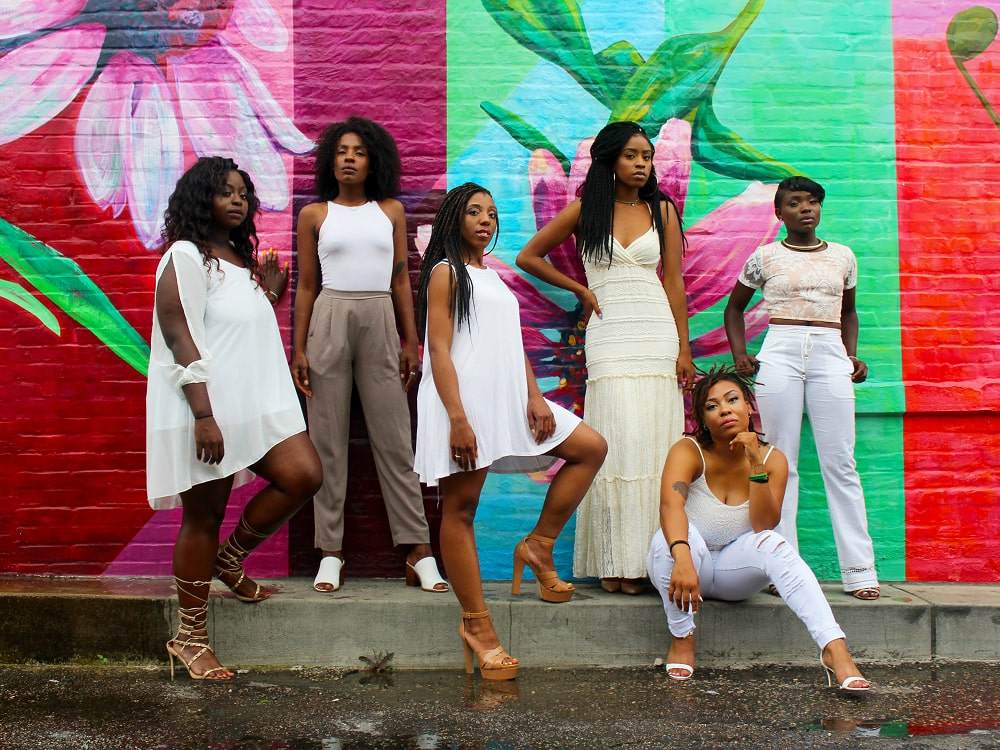
Clothing is one of the most immediate forms of non-verbal communication, conveying identity, status, and mood before a single word is spoken. From the cut of a blazer to the choice of footwear, every element of an outfit sends signals about personality, values, and social positioning. Research shows that people infer social identity, mental state, status, and aesthetic taste simply from observing dress.
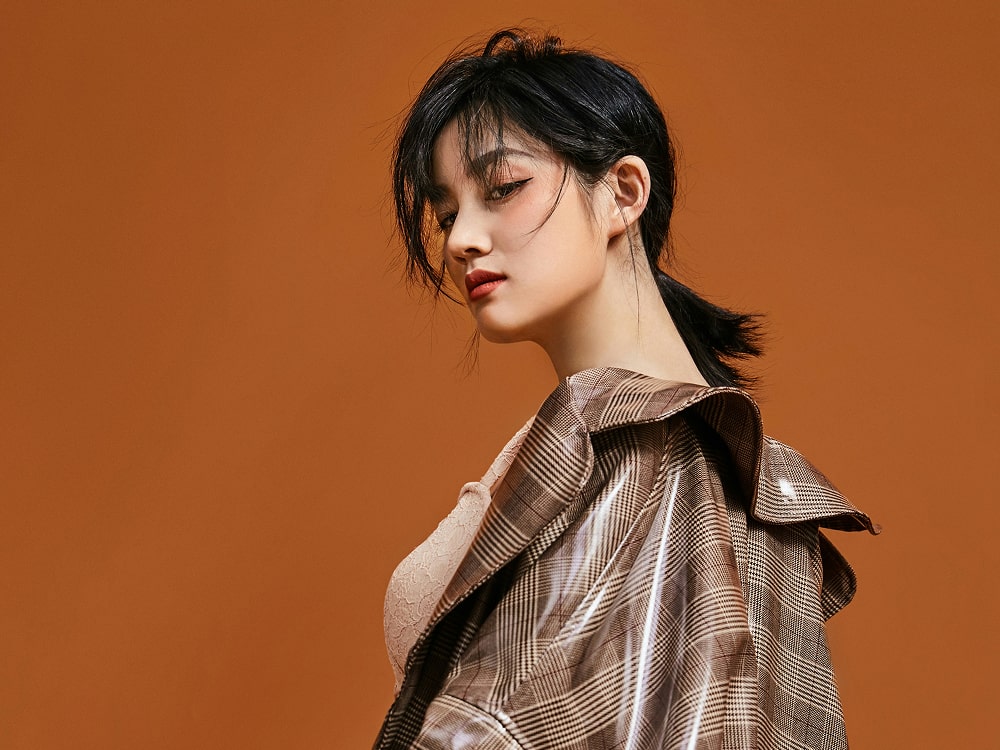
Tailored suits, minimalist ensembles, and “quiet luxury” aesthetics project professionalism, authority, and restraint. A well-fitted jacket or monochrome palette suggests attention to detail and confidence, while oversized or casual pieces may signal creativity, comfort, or a deliberate distance from formal norms. In professional settings, such choices can enhance perceived competence and reduce barriers between the wearer and their audience.
Beyond appearance, clothing influences how we feel and perform. Studies on “enclothed cognition” reveal that wearing garments associated with specific roles—such as a lab coat or business suit—can shift cognitive performance and emotional readiness in alignment with those roles. Colours, textures, and fit affect confidence, mood, and even how others interpret intentions, making wardrobe selection a strategic tool for self-presentation.
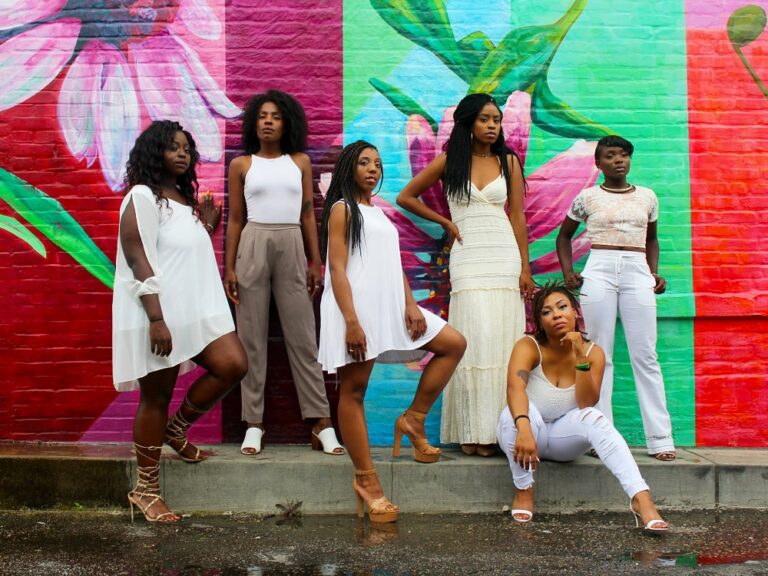
Cultural and contextual cues further shape how outfits are read. Traditional garments, branded items, and sustainable fashion choices communicate heritage, economic background, and values. In a world of rapid interactions, fashion functions as an instant language, allowing individuals to express uniqueness, affiliations, and beliefs without uttering a word. The right outfit doesn’t just dress the body—it frames the narrative.
Outfits that speak volumes without saying a word are all about confident, intentional style. Whether it’s a sharp blazer, a bold color choice, or a perfectly tailored fit, these looks express personality and attitude effortlessly. It’s fashion as a silent statement—powerful, elegant, and unforgettable.